Understanding Autism

More than what you see. A different way of experiencing the world.

Autism is a neurodevelopmental condition characterised by persistent differences in social communication and social interaction together with restricted or repetitive patterns of behaviour, interests or activities.

Autism begins during development, although characteristics may become more apparent later when social or everyday demands exceed a person's capacity to adapt or compensate.

Core area Social communication
Core area Restricted &
repetitive patterns
Important Functional impact
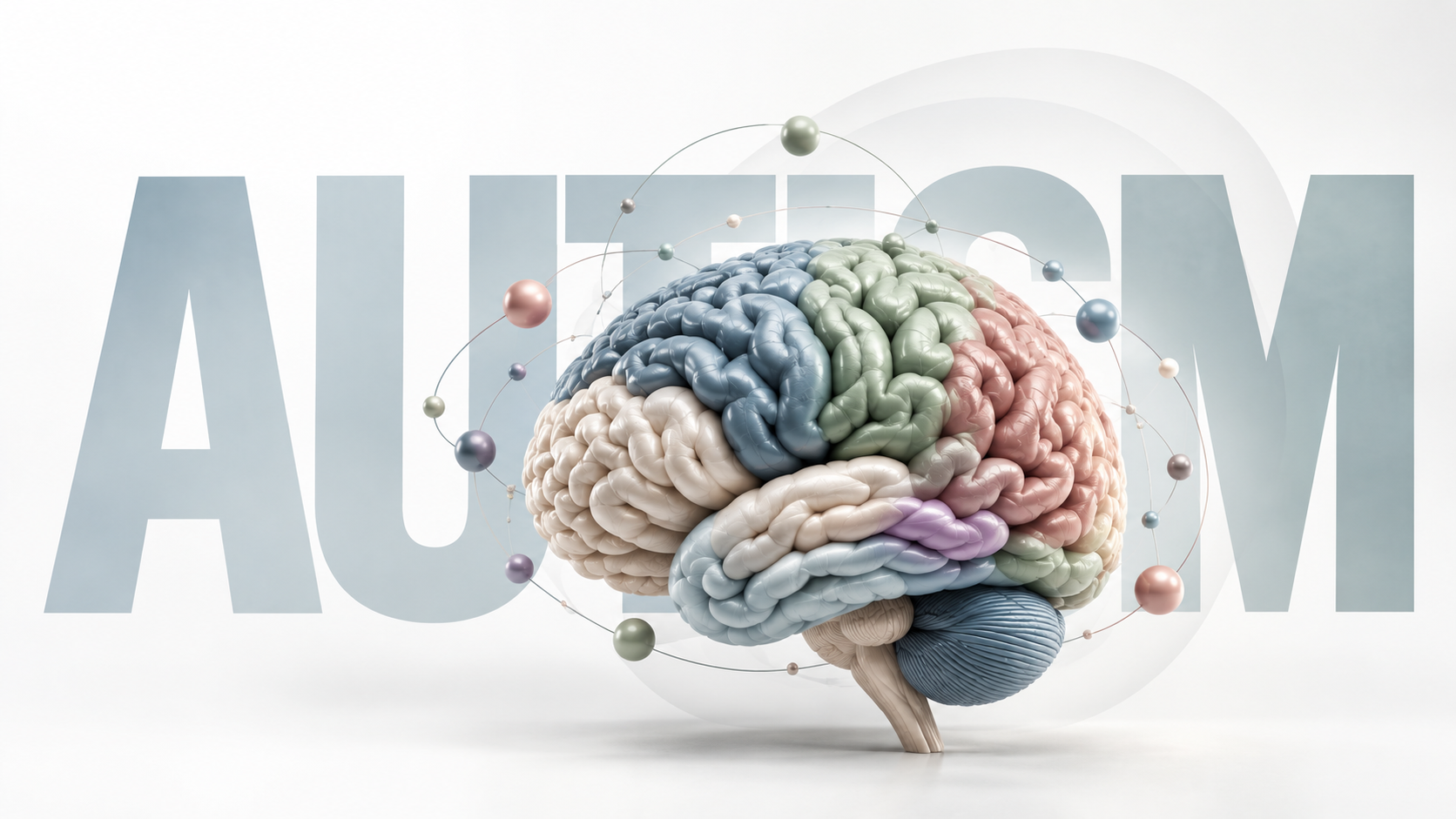
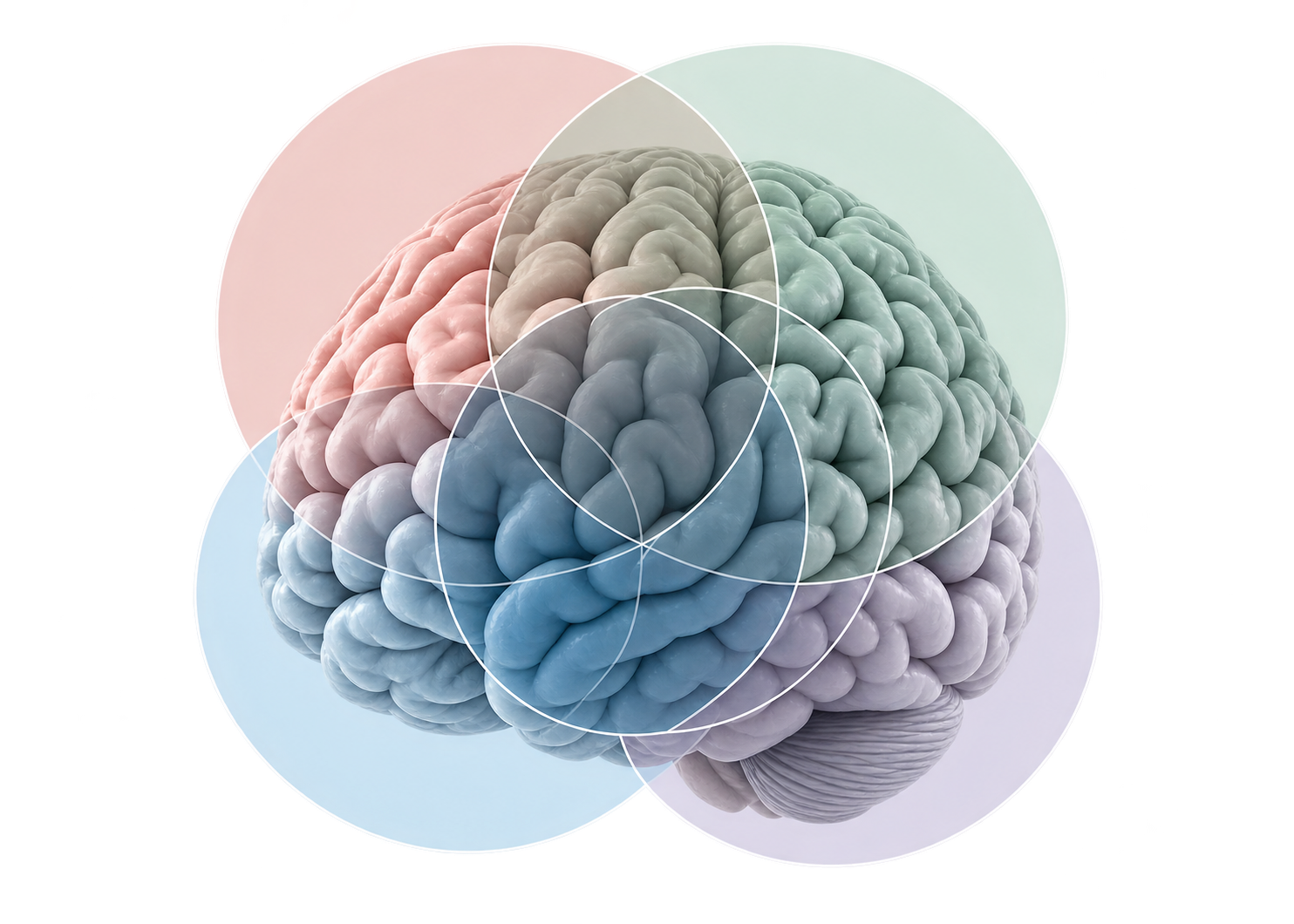
Conceptual brain illustration representing Autism

What is Autism?

A different way of experiencing the world

Autism is a neurodevelopmental condition characterised by differences in social communication and interaction, together with restricted or repetitive patterns of behaviour, interests or activities.

Sensory differences can also form part of the autistic experience, including being more or less sensitive to sound, light, touch, texture, temperature or other sensory input.

These characteristics are present during the developmental period, although they may only become more apparent later when the demands of everyday life exceed a person's capacity to adapt or compensate.

What can Autism actually look like?

Autism is not always obvious from the outside.

An autistic person may speak fluently, study, work, drive, have relationships and manage many aspects of everyday life independently. The differences may instead become apparent in how social information is processed, the need for predictability, sensory experiences, or how much effort everyday situations require.

Social communication

Someone may speak fluently and communicate confidently, but find the unspoken parts of communication much harder. Sarcasm, implied meanings, facial expressions, conversational timing or knowing what is expected socially may require conscious effort.

Routine, interests & sensory experiences

Unexpected changes may be particularly difficult. Interests can become highly focused or absorbing, and repetitive movements or behaviours may help with regulation. Sound, lighting, textures, smells, crowds or other sensory input may also be experienced differently.

What other people may not see

Some autistic people learn to hide, suppress or compensate for autistic characteristics. They may rehearse conversations, consciously maintain eye contact, copy social behaviour, suppress repetitive movements or tolerate uncomfortable sensory environments without showing how difficult the experience is.

These are examples, not a diagnostic checklist. Autism presents differently in every person, and individual characteristics should not be assumed from an Autism diagnosis alone. Experiencing some of these characteristics does not necessarily mean that someone is autistic. A formal diagnosis requires a comprehensive assessment by an appropriately qualified healthcare professional.

Masking & Autistic Burnout

When appearing
to cope comes
at a cost.

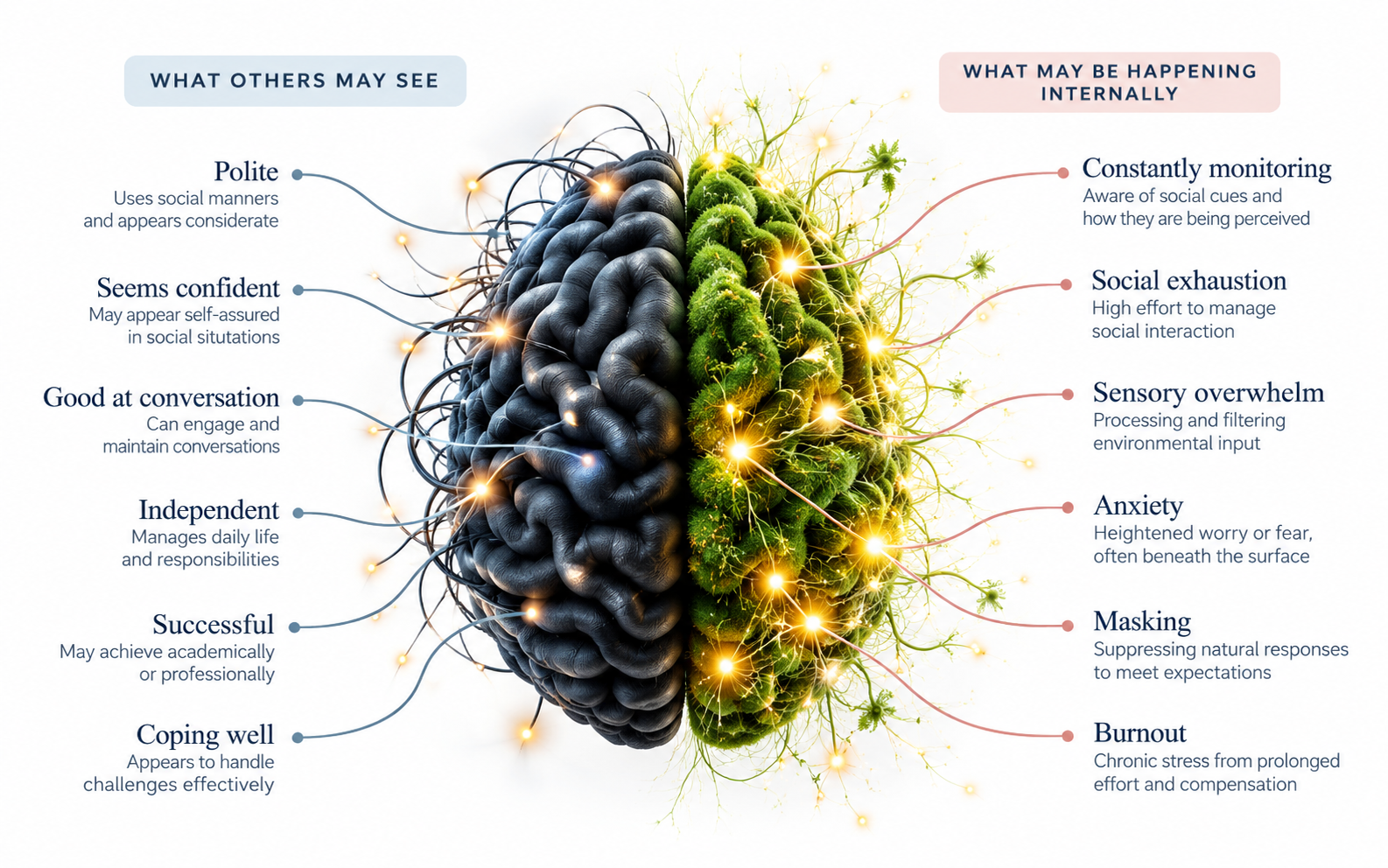
Some autistic people learn to consciously or unconsciously hide, suppress or compensate for autistic characteristics in order to meet social expectations. This is commonly described as masking or camouflaging.

It might mean consciously maintaining eye contact, rehearsing conversations, copying other people's social behaviour, suppressing repetitive movements, hiding sensory discomfort or constantly monitoring how you are coming across.

From the outside, someone may appear to be coping extremely well. Their internal experience can be very different.

Illustration contrasting outward signs of coping with the internal experience of autistic masking.

What can Autistic burnout look like?

More than just feeling tired.

Research with autistic adults has described autistic burnout as a prolonged state associated with chronic life stress and demands exceeding a person's available resources without adequate support.

Profound exhaustion

Physical, mental, emotional or social exhaustion that can extend well beyond ordinary tiredness.

Loss of capacity

Things that could previously be managed may become considerably harder, including work, communication, planning, self-care or everyday tasks.

Reduced tolerance

Noise, light, social interaction, demands and other sensory or environmental input may become much harder to tolerate.

Sometimes the question is not
“Why did the Autism suddenly appear?”
but “What made it impossible to keep
compensating for it?”

Why are more people being identified?

Greater awareness
and understanding.

Autism awareness, recognition and diagnostic practices have changed substantially over time, and some people who would previously have gone unidentified are now being assessed later in adolescence or adulthood.

Autism itself does not suddenly begin in adulthood. Autistic characteristics originate during the developmental period, although they may become more apparent later when the demands of everyday life exceed a person's capacity to adapt or compensate.

Women have historically been easier to miss.

Looking socially capable
does not necessarily mean
social interaction is effortless.

Autism can be overlooked in girls and women when their presentation differs from historically recognised patterns.

Some autistic women may observe, copy or consciously perform expected social behaviour in ways that make autistic characteristics less obvious to other people. Masking, however, is not exclusive to women.

~62 MILLION

people worldwide are estimated to be autistic.

That's around

1 IN 127

people worldwide.

Based on World Health Organization estimates for 2021. Reported prevalence varies between studies and remains unknown in many low- and middle-income countries.

Important to know

Masking, exhaustion, sensory overwhelm or difficulties coping do not by themselves establish an Autism diagnosis. Autistic burnout is an emerging area of research and is not itself a DSM-5-TR diagnosis. Similar experiences can occur with depression, anxiety, physical illness and other conditions, so significant or persistent changes in functioning should be discussed with an appropriately qualified healthcare professional.

If you are struggling to stay safe

Spectrum Centre is not an emergency or crisis service. If you are at immediate risk of harming yourself or someone else, or you are unable to keep yourself safe, please go to your nearest emergency department or contact emergency services.

Co-occurring conditions

Conditions that may occur alongside Autism.

Autistic people can experience a range of mental health, neurological and physical health conditions alongside Autism. Some are reported more frequently among autistic people than in the general population.

Mental
health
Neurological
conditions
Physical
health
Sensory
processing

Mental health conditions

Frequently experienced alongside Autism

Anxiety disorders

Anxiety disorders, including generalised anxiety, social anxiety and specific phobias, can occur alongside Autism.

Depression

Depression is reported more frequently among autistic adults than in the general population and can significantly affect wellbeing and everyday functioning.

ADHD

Autism and ADHD are separate neurodevelopmental conditions, but a person can meet the diagnostic criteria for both.

Obsessive-compulsive disorder (OCD)

OCD involves intrusive, unwanted thoughts and/or compulsions and is clinically distinct from autistic routines, interests or repetitive behaviours.

Physical & neurological conditions

Health conditions can also occur alongside Autism

Gastrointestinal conditions

Gastrointestinal symptoms and conditions, including constipation, reflux and abdominal discomfort, are reported in autistic populations.

Sleep difficulties

Sleep problems, including difficulty falling asleep, staying asleep or maintaining a regular sleep pattern, are frequently reported.

Epilepsy & seizure disorders

Epilepsy occurs more frequently among autistic people than in the general population. Suspected seizures require appropriate medical assessment.

Hypermobility

Research has reported associations between Autism and joint hypermobility or hypermobility-related conditions, although this area continues to develop.

Sensory processing differences

Sensory hyperreactivity or hyporeactivity can form part of Autism itself and should not automatically be treated as a separate co-occurring diagnosis. Sensory differences can, however, have a significant effect on comfort, energy, stress and everyday functioning.

Important to know

Co-occurring conditions are common, but they do not occur in every autistic person. Symptoms should not automatically be attributed to Autism, and the presence of one condition does not establish another diagnosis. New, persistent or concerning mental or physical health symptoms should be assessed by an appropriately qualified healthcare professional.

One autistic person is one autistic person. Each person is unique.

Autism assessment

Adult Autism assessment
at Spectrum Centre.

We specialise in Adult Autism diagnosis and long-term psychological therapy, with a particular focus on autistic adults and older teenagers.

Minimum of 2 sessions

An Autism assessment is conducted over a minimum of two sessions by a registered psychologist with extensive experience in Adult Autism and neurodiversity.

Clinical interview

The diagnostic process centres on a detailed clinical interview exploring relevant developmental history, current experiences and functioning in relation to the diagnostic criteria for Autism Spectrum Disorder in the DSM-5-TR.

Clinical expertise & judgement

Diagnosis involves clinical judgement informed by the psychologist's training and years of experience in Adult Autism. Where relevant, the psychologist will also consider whether other psychological or neurodevelopmental conditions may better explain, or occur alongside, the experiences being discussed.

Long-term psychological therapy

A diagnosis can explain a lot. It’s only the beginning.

Receiving a diagnosis and receiving appropriate support are not the same thing.

An Autism diagnosis can bring enormous clarity. It can help explain why certain things have always felt harder, why previous advice may not have worked, or why you have spent years feeling as though everyone else received instructions you somehow missed.

But understanding the reason does not automatically change the difficulties that led you to seek answers in the first place.

Neurodivergent or neurotypical, people may need psychological support at different points in their lives.

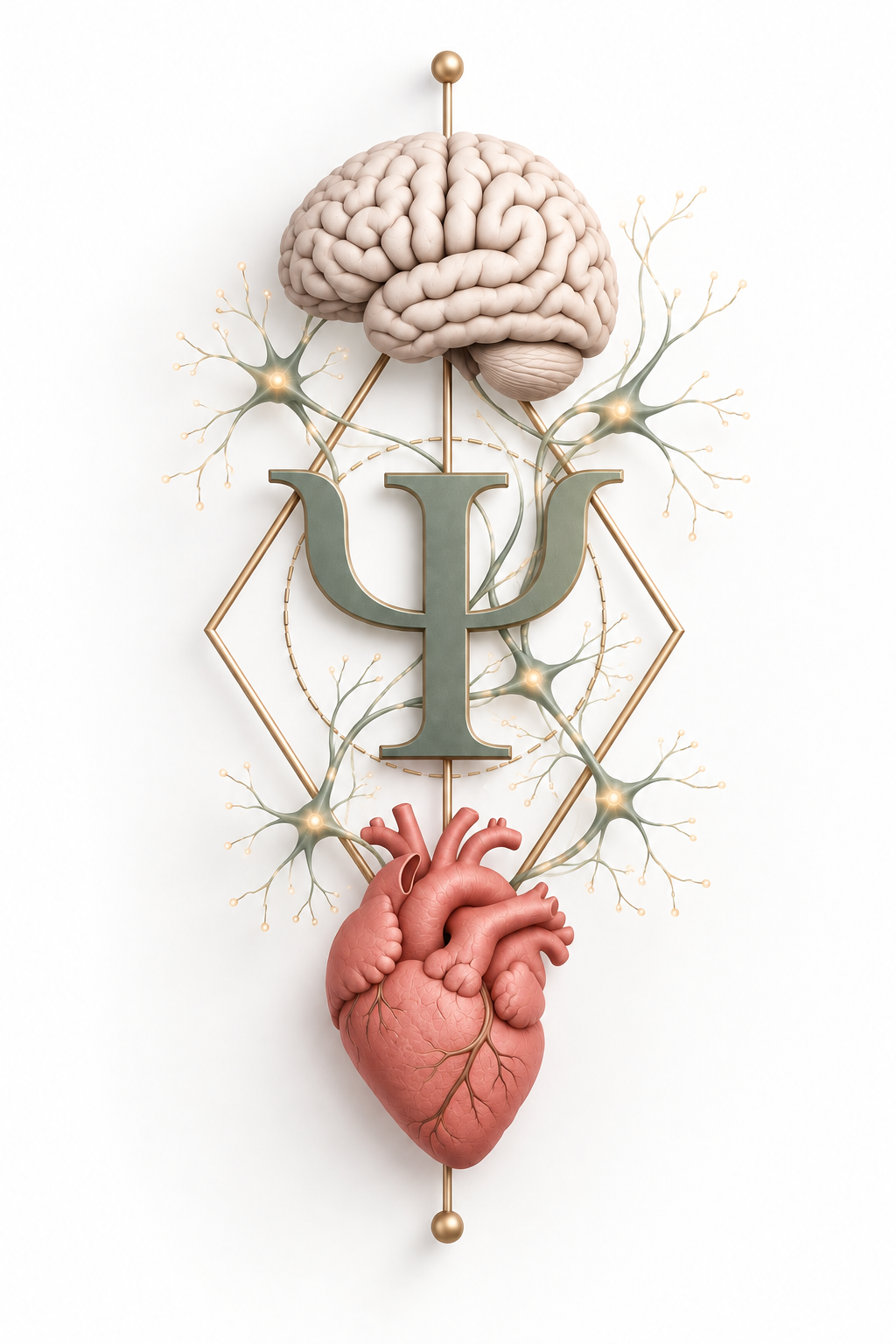
Conceptual psychology illustration connecting the brain, psychology and emotional experience

The question after diagnosis

Ask yourself: Why did I want a diagnosis in the first place?

What led you to start looking for answers?

Was it difficulties in relationships? Burnout? Anxiety? Feeling overwhelmed by everyday life? Repeated misunderstandings? Struggling at work? Or simply a lifelong sense that things seemed to work differently for you?

What painful experiences are attached to that journey?

Years of being misunderstood, criticised, excluded, bullied or ridiculed can leave an impact. A diagnosis may finally provide context for those experiences, but it does not automatically undo their effect on how you see yourself, your relationships or the world around you.

That is where therapy can begin to move beyond understanding the diagnosis and towards understanding you.

The diagnosis may answer “why?” Therapy can help you explore “what now?”

What might bring someone to therapy?

Understanding yourself

Understanding how Autism affects your particular life, including your needs, strengths, patterns, identity and experiences, rather than assuming that a diagnosis tells us everything about you.

Anxiety, depression & burnout

Working with anxiety, depression, chronic stress, overwhelm or burnout when these form part of your experience.

Past experiences

Processing experiences of rejection, bullying, exclusion, criticism, ridicule or repeatedly being made to feel that being different was somehow wrong, and exploring how those experiences may have shaped your beliefs and life today.

Relationships & communication

Exploring relationships, recurring communication difficulties, boundaries, conflict, intimacy, friendships and connection.

Work, study & everyday life

Working through executive-functioning difficulties, transitions and everyday demands, and identifying workplace or educational accommodations that may be helpful.

Finding the right support

Understanding what support is actually useful to you. This may include psychological therapy and, where appropriate, referral to other healthcare professionals.

Therapy is not about making someone less autistic.

It is about understanding the individual, addressing the difficulties that matter to them and helping them work towards a life that fits their needs, values and circumstances.

Support should be available and clearly explained, but it should not be imposed on the assumption that Autism itself needs to be “treated”.

Long-term therapy doesn’t have one purpose

Some people begin therapy immediately after receiving a diagnosis. Others return months or years later when something in their life becomes difficult.

The focus of therapy may also change over time. What begins with understanding a diagnosis may later involve relationships, work, anxiety, depression, burnout, past experiences, family dynamics, grief, major life transitions or something entirely different.

There does not need to be a crisis for therapy to be worthwhile.

And importantly, not every autistic person will want or need ongoing psychological therapy.

Diagnosis can provide missing information. What happens next should be guided by you.

When you have met one autistic adult, you have met one autistic adult.

Every person has their own experiences, needs, strengths and challenges.

Have questions?

We're happy to assist. Get in touch and we'll guide you.

Take the next step

Book an appointment.

If you're ready to explore how long-term psychological therapy could support you, we'd love to hear from you.

Pearl white brain resting on a therapy chair